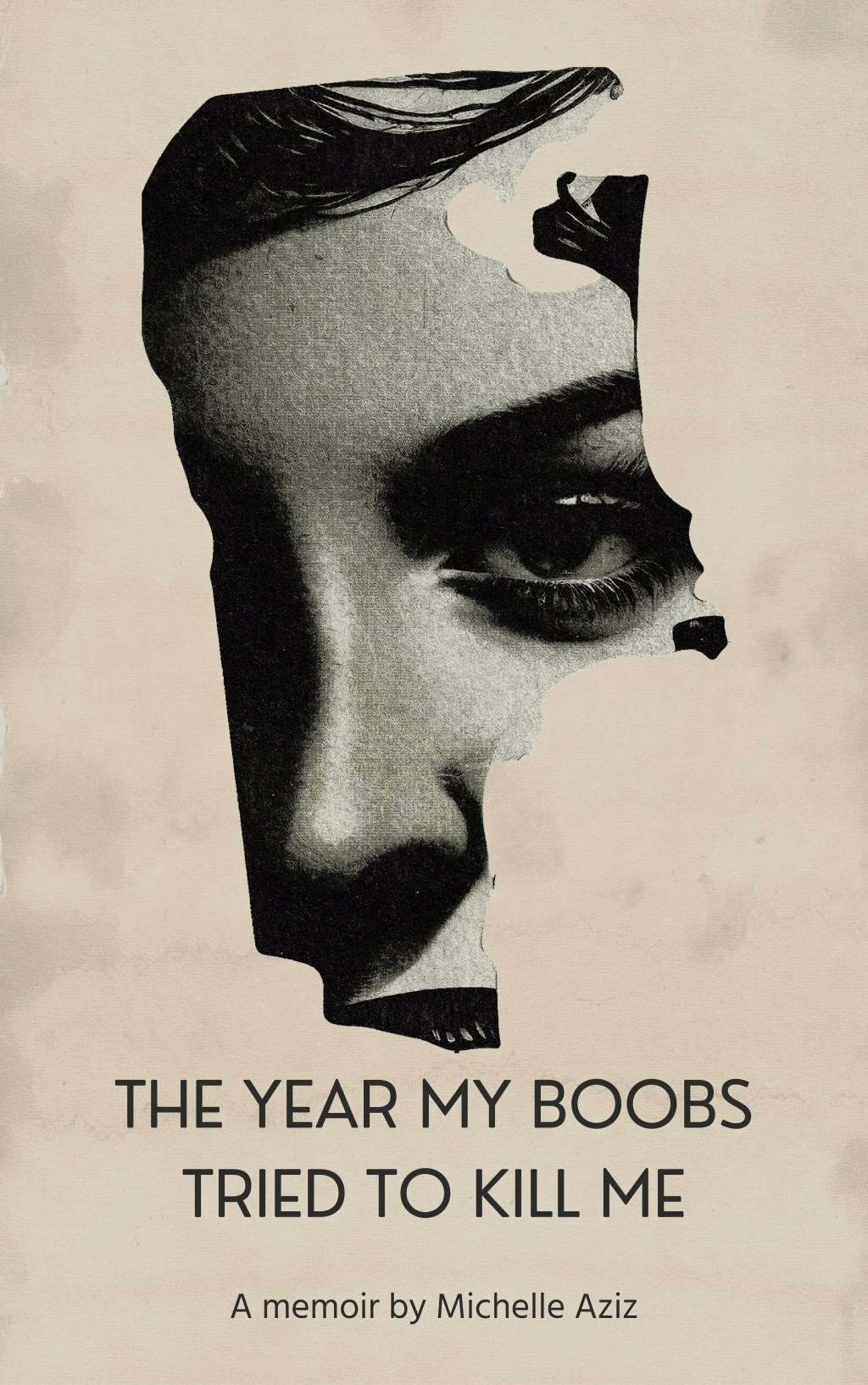
When I was first diagnosed with cancer, I thought the real enemy was inside my body – a rogue cluster of cells that had turned against me. But as the months passed, and I faced the long silence that comes after chemo, I began to realise the more difficult enemy was within my mind. The stillness of recovery left me alone with my thoughts, with the years I’d spent drowning them in alcohol, pretending I was fine. For the first time in decades, I was forced to sit with myself – sober, exposed, unprotected – and it felt like meeting a stranger I’d been avoiding all my life.
Looking back now, it’s clear that I didn’t just drink to have fun. I drank to disappear. From my earliest twenties, alcohol became the invisible scaffolding that held up my social self. I told myself it made me confident, fun, relaxed – all the things I thought I needed to be to survive in a world that valued ease and charm. At work functions, I’d stand in the corner until the first glass of wine loosened the edges of my anxiety. I’d smile more easily, laugh too loudly, say things that felt bold and spontaneous but were really the blur between inhibition and self-erasure. I was, in every sense, performing.
Family gatherings were no different. I loved my family, but I always felt like the odd piece in the puzzle, the one who couldn’t quite fit the shape expected of me. A few drinks helped me slide into place – more affectionate, more sociable, less trapped inside my head. But underneath the warmth of the wine buzz, I always sensed a quiet ache. I wasn’t connecting; I was coating everything – my fear, my shyness, my self-doubt – in a layer of numbness.
In social circles, alcohol was currency. Friday nights were sacred rituals of release: dinner, bars, rounds that blurred into laughter and blurred further into blackout. I wore my hangovers like badges of honour, joking about how much I’d had, how I could “hold my liquor.” I even took pride in how functional I was – how I could drink heavily, sleep a few hours, and show up to work the next day polished and productive. I used to think that made me strong, capable.
Now I see it for what it was – an illusion of control built on self-harm disguised as social success. Because that’s what it was, really: self-harm.
It didn’t look like the kind of harm people talk about – the cuts, the visible wounds – but psychologically, it was much the same. Every drink was a small act of avoidance, an attempt to silence the rising tension in my mind. The tension built in familiar ways: feeling like I wasn’t good enough, like I’d failed to live up to expectations, like I was somehow fundamentally wrong. Those thoughts were heavy, relentless, impossible to reason with. And then came the release – the first drink, the second, the third – and suddenly everything felt softer, quieter, almost peaceful.
But the peace was temporary. The next morning, the shame was always waiting. The cycle was brutal in its familiarity: drink to escape pain, wake up in pain, drink again to escape the guilt of drinking. Over the years, I learned to hide it well. I’d pour wine into coffee cups while cooking dinner, top up glasses before anyone noticed. I’d tell myself everyone drank like this – after all, it was normal to unwind, to “have a few.” But deep down, I knew I wasn’t drinking to unwind. I was drinking to survive myself.
What I didn’t know then, but understand now, is that I was punishing myself. Somewhere along the line, I internalised the belief that I didn’t deserve happiness unless I could earn it by being perfect – at work, in relationships, as a daughter, a wife, a mother. Of course, perfection was unattainable, so I always felt like I was failing. Drinking became my way of managing that failure. I wouldn’t have called it punishment at the time, but it was. I was angry at myself for not being enough, and the drinking was both the weapon and the wound.
It’s strange how socially acceptable that kind of harm is. Society celebrates the “wine-o’clock” culture, the jokes about needing a drink after a long day, the notion that alcohol is a reward, not a risk. But for me, it was neither reward nor pleasure – it was relief. It was the only way I knew how to escape the noise in my head. I can see now that it was a form of control: I couldn’t change how I felt about myself, but I could control how deeply I felt it. If I drank enough, I could flatten everything – the fear, the loneliness, the self-criticism – into a manageable blur.
Even when I was happy, I drank. Perhaps especially then. Happiness felt fragile, undeserved. Alcohol let me soften joy before it could slip away. It was as though I didn’t trust myself to feel fully alive without the buffer of intoxication. And yet, that buffer dulled everything – not just the pain, but the beauty, the clarity, the connection. The more I drank, the smaller my world became. The vibrant edges of life blurred into sameness. Mornings were heavy, nights were hollow. I called it “living,” but it was closer to existing.
Cancer changed that. When I was told alcohol increases the risk of recurrence, I made the decision – instantly and absolutely – that I would never drink again. For the first time in my life, it wasn’t a negotiation. There was no “maybe just one” or “I’ll cut back.” It was a line in the sand, a promise to my future self. But quitting wasn’t just about health. It was about facing myself. Without alcohol, I had to confront all the emotions I’d spent years avoiding – grief, regret, shame, but also tenderness, compassion, and truth.
In sobriety, I started to recognise how much energy I’d spent maintaining a version of myself that wasn’t real. The confident, chatty, fun woman at parties – she was a costume stitched together from fear. Beneath her was someone quiet, introspective, and deeply insecure. I used to think my shyness was something to be ashamed of, something that needed to be fixed. Now I see it as sensitivity, as depth. Alcohol stripped me of that. It turned my softness into performance.
I’ve come to understand that I wasn’t weak for drinking – I was hurting. I didn’t have the tools to sit with discomfort, to face the darker parts of my mind without numbing them. Drinking was the only coping mechanism I knew. And in that way, it truly was self-harm – not in the visible sense, but in the quiet, private way I chipped away at my own worth, my own truth.
When I reflect on the years I spent drinking, I try not to look through the lens of blame. Blame is just another form of self-punishment. Instead, I look through the lens of compassion. I see a woman doing her best with what she had, using the tools she knew, surviving in the only way she could. That compassion doesn’t erase the damage, but it transforms it into understanding.
Sobriety hasn’t made life easier – it’s made it clearer. Without alcohol, there’s no escape from reality, but there’s also no distortion. I see the world as it is, myself as I am. The nights are longer, the emotions sharper, but the peace is real. I’ve discovered that calm isn’t something you drink your way into; it’s something you earn through honesty.
Now, when tension builds – when life feels overwhelming – I try to sit with it. I breathe. I write. I walk. I let the feelings rise and fall without drowning them. Sometimes I still crave the oblivion, that sweet silence of not caring for a while. But then I remember how much it cost me to live that way – the missed moments, the false confidence, the years I spent hiding behind the glass.
Cancer forced me to stop running from myself. It stripped everything away – the illusions, the excuses, the habits – until all that was left was truth. And in that truth, I found something I’d never expected: a quiet kind of freedom.
I no longer need to drink to feel brave.
I no longer need to punish myself for being imperfect.
I no longer need to hide behind the illusion of control.


 healing through words
Leave a comment