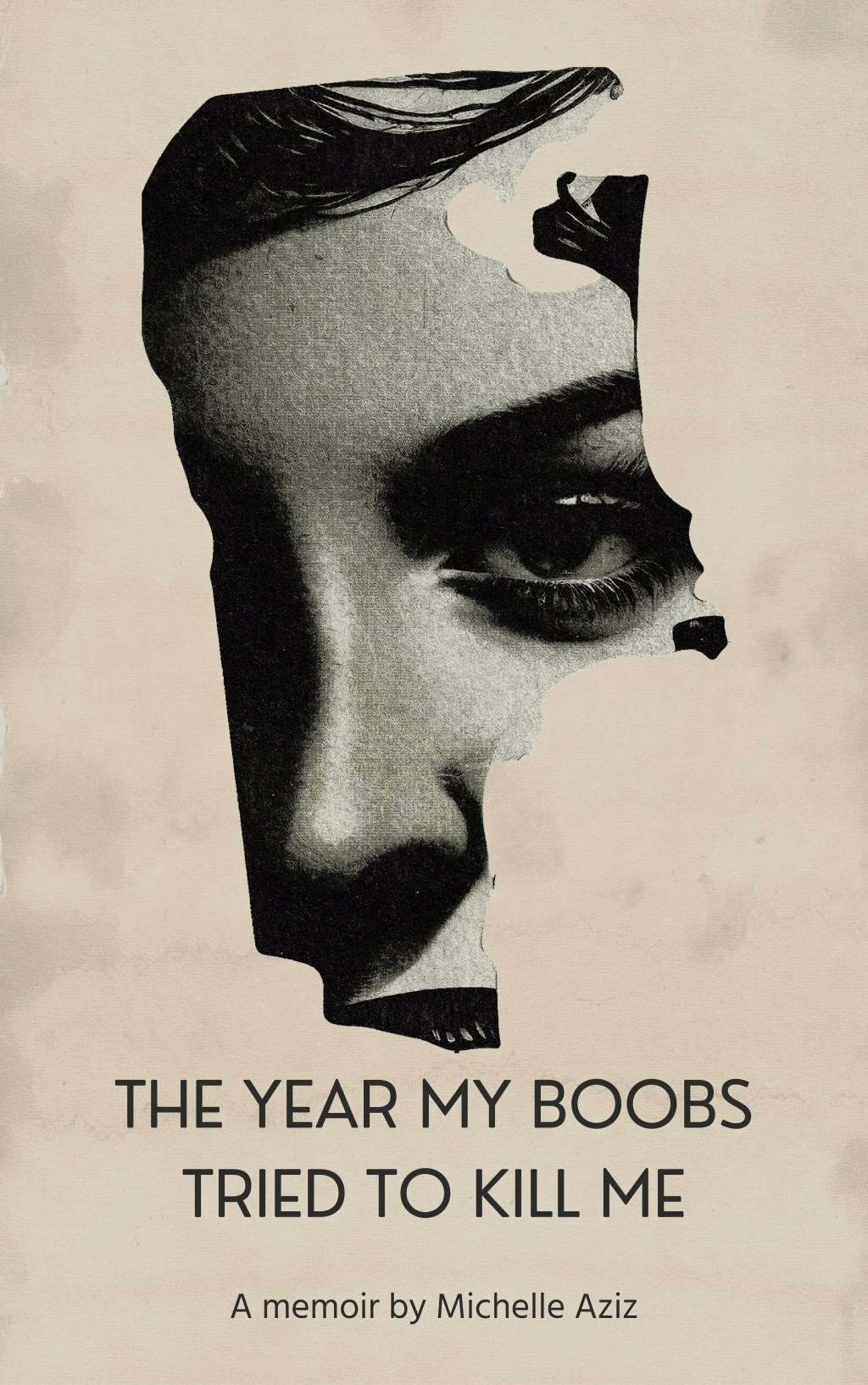
The first week after chemo felt like crossing into a new country where nothing made sense and the rules changed without warning. I came home from the hospital late that afternoon, after five hours in the chemo chair, exhausted and trembling from the inside out. I was clutching a handful of pamphlets; the kind printed on glossy paper with smiling faces that made it look like cancer was something you could navigate with a good attitude and a sensible haircut.
The nurse had gone through them one by one, explaining side effects that sounded like the world’s worst lucky dip. You could have all of them, she said, or none of them. Or, she added cheerfully, you could get some new ones that we haven’t seen before.
They told me what not to eat — a long list that made me wonder what was even left. No soft cheese, no deli meats, no salads, no leftovers, nothing raw, nothing with probiotics. Basically, nothing I liked. Apparently, with a suppressed immune system, one careless bite of the wrong thing could land me in hospital.
I came home with a plastic bag full of medication that felt like a cruel joke. Antihistamines to combat swelling. Steroids to combat nausea. Laxatives to combat the constipation caused by the steroids. And five pre-filled syringes of pegfilgrastim — a drug designed to stimulate white blood cell production by firing up your bone marrow. I was supposed to inject it into my stomach each night after dinner, like some twisted bedtime ritual.
The whole lot landed with a dull thud on the kitchen bench, and I just stood there, staring at it. The pile of papers, pills, needles, and warnings — it all looked like someone else’s life.
Then I stumbled into the shower, still tender from the operation the day before. The port under my skin looked like something alien had been implanted in me — red, swollen, and angry. I was afraid to touch it. I tried to wash around it carefully, holding my breath as water trickled down my chest, and then I collapsed into bed.
My husband and son hovered in the doorway, both of them trying to look brave. My son’s eyes shimmered with unshed tears. He wanted to come closer, to hug me, but I couldn’t let him. I was terrified the chemo drugs — the literal poison that had just been pumped into me — might somehow seep out through my pores, onto his skin, into his body. I told him I loved him, and he nodded, his lip quivering. He was only ten, still a little boy, still small enough to believe that a hug could fix anything. But not this time.
That night I drifted in and out of uneasy sleep, my body humming with chemical energy. I woke at 4 a.m., disoriented, and for a fleeting moment I wondered if it had all been a nightmare. But then I felt the dull ache under my collarbone where the port sat, and I remembered.
It was real. I was a cancer patient now. Treatment had officially begun, and there was no turning back.
I lay there in the dark, staring at the ceiling, waiting for the sun to rise. I tried to steel myself for what lay ahead — months of this, maybe more. I told myself I would get through it no matter what. I told myself I was strong, even though I didn’t feel it.
In the morning, I tried to act normal. I made my son’s breakfast and lunch, pretending it was just another school day. But I could barely stand. My hands tingled as if they’d been dunked in icy water. My feet buzzed with pins and needles — the start of peripheral neuropathy, they said. I couldn’t drive. I could barely hold a cup.
I tried to eat, but everything tasted like metal and poison. Even water burned my throat. It was as if my taste buds had gone on strike, refusing to cooperate with this new chemical reality.
By mid-morning, I gave up pretending. I sank into the couch, shivering under a blanket, half-watching the sunlight crawl across the floor. I could feel the poison moving through me — not just metaphorically, but physically. It had a taste, a smell. My whole body reeked of chemo, like plastic and chemicals and something rotten underneath. I tried to drink water to flush it out, but even that made me gag.
The injections were the worst part. Every night, after my son was in bed, my husband would hand me the little syringe and I’d press it against the soft skin of my stomach. The first night, I cried as I did it. Not from the pain — it didn’t really hurt — but from what it meant. Each injection was a reminder that my body couldn’t do what it was supposed to do anymore. That it needed help to survive what was meant to save me.
By the second night, the bone pain began. The nurses had warned me, but no amount of warning could prepare me for it. It felt like my bones were waking up, stretching, expanding, screaming. I could feel my skeleton — every rib, every vertebra, every joint — as if it had become a living, throbbing thing inside me. The pain was deep and electric, radiating from the inside out. Sleep was impossible.
At 2 a.m., I lay there in the dark, clutching my knees to my chest, trying to breathe through it. I kept reminding myself that it was a good sign — it meant the drug was working, that my bone marrow was making new white blood cells. But it didn’t feel good. It felt cruel.
By day three, I was barely functioning. I couldn’t eat, couldn’t go to the toilet, couldn’t think straight. My body was heavy and foreign, like I was wearing someone else’s skin.
The port site still hurt. My face had begun to swell from the steroids. Angry red pimples erupted across my cheeks, a teenage nightmare in the middle of my forties. My body was clearly trying to get rid of the poison any way it could.
And then my hair started to go. I’d been told it wouldn’t happen straight away, that it would take a couple of weeks, but by day four, clumps began coming out in the shower. I watched them slide down my arms and gather at the drain, dark and tangled. I wanted to reach down and scoop them up, but I couldn’t bend that far without feeling dizzy. I called my husband. He came in silently, cleaned it out, and rinsed the drain. Neither of us said a word.
I sat on the edge of the bath, my towel wrapped around me, feeling like a ghost of myself. I knew chemo was supposed to strip you down, but I hadn’t realised it would happen so fast — that within days I’d already start disappearing.
The house felt too quiet. My son would tiptoe past me, afraid to make noise. My husband kept asking if I needed anything, and I didn’t even know how to answer. I didn’t need anything. I needed everything. Mostly, I needed my old life back. But there was no going back.
By day five, the weird chemical taste started to fade. My tongue still felt swollen, my jaw ached for no reason, but the edge of the nausea lifted. I could manage a piece of toast. I drank some tea without gagging. I even managed a short walk to the letterbox, though the sunlight felt too bright, too harsh.
There’s something disorienting about the in-between days after chemo — when you don’t feel sick enough to be in bed, but not well enough to be in the world. I floated through the days like a ghost, watching the clock, counting down until the next blood test, the next appointment, the next round.
It amazed me how quickly the human body adapts. By the end of the week, I could almost pretend I was fine. The swelling eased, my skin calmed, and I even caught myself laughing at something my son said over dinner.
But beneath that small flicker of normalcy was a quiet dread — the knowledge that this was just the beginning. That the moment I started to feel better was also the moment it was time to start all over again.
When I went for my blood test that Friday, I sat in the waiting room among other people like me — bald, swollen, pale. I saw myself reflected in their faces. It was both comforting and terrifying.
My blood results came back stable enough for round two. My doctor smiled, pleased. I nodded and pretended to be, too. But inside, I wanted to scream. How could I willingly do this again? Yet I knew I would. Because this was the path now. This was survival.
The first week after chemo taught me that survival isn’t brave or glamorous. It’s messy, lonely, and often humiliating. It’s the sound of your own heartbeat at 3 a.m. when the pain won’t stop. It’s the moment you hand your husband a handful of your hair because you can’t bear to throw it away yourself. It’s learning to live in a body that no longer feels like yours and trying to convince yourself that one day, maybe, it will again.
And somewhere beneath all of that — beneath the exhaustion, the pain, the fear — a tiny part of me began to harden into resolve. This was my life now. I didn’t have to like it. I just had to get through it.


 healing through words
Leave a comment