I’ve spent most of my life being the strong one. The one who kept things together, who found the silver lining, who pushed through and smiled anyway. I thought that’s what strength meant — carrying on, no matter what.
Then came the year my boobs tried to kill me.
There’s no way to sugar-coat a breast cancer diagnosis. It’s messy and terrifying and unfair. It cracks you open in ways you never imagined. When I first heard the words “triple negative breast cancer,” I went numb. I smiled politely at the doctor, nodded as if I was listening, and inside, I quietly unravelled.
Cancer takes so much from you — your health, your plans, your energy, your sense of control. But the hardest part isn’t what it takes away from your body. It’s what it does to your identity. Suddenly you’re not you anymore — you’re a “patient,” a “fighter,” a “survivor.” You become a story people whisper about, an example of resilience, or worse — a cautionary tale.
And while everyone around you is so beautifully kind, telling you how brave you are, you’re just trying to survive the day. My name is Michelle Aziz, and I’m still figuring out how to be human again after breast cancer.
The year that broke me open
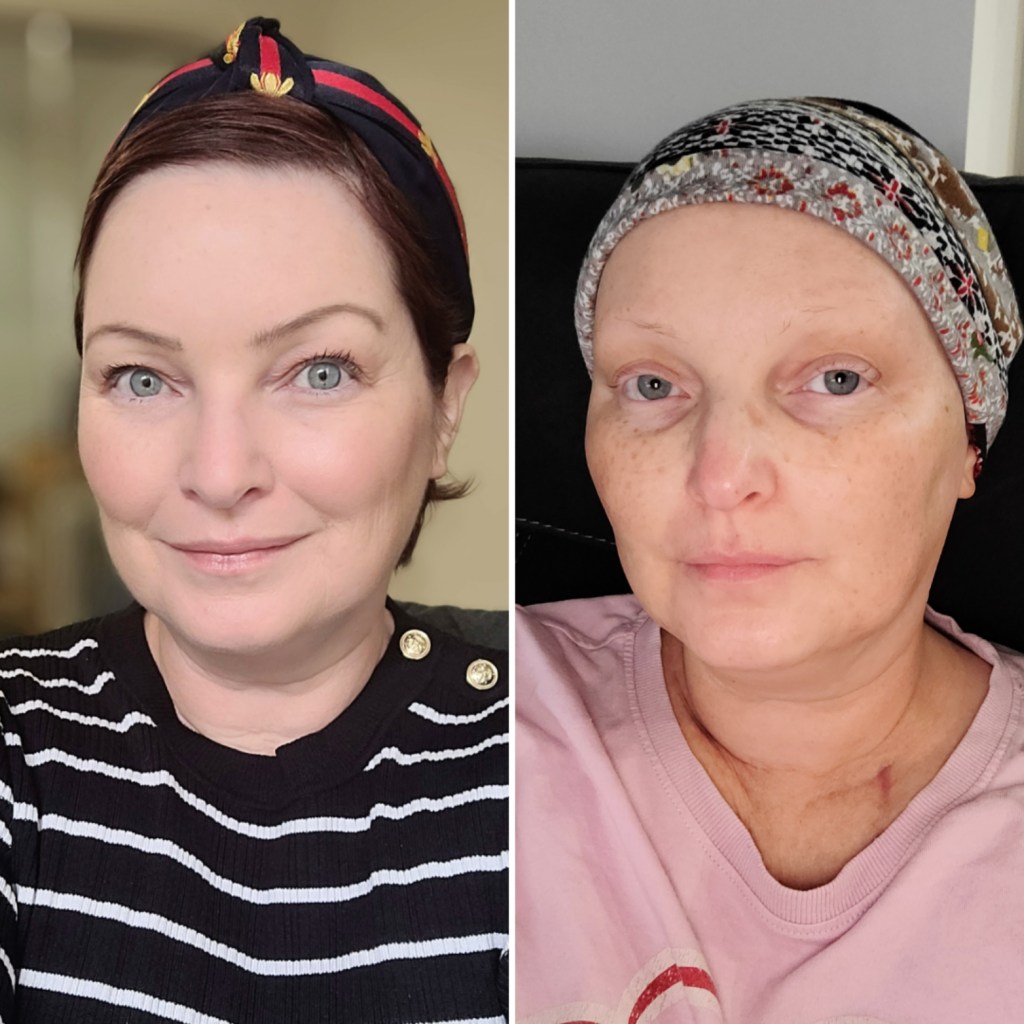
When treatment began, I entered survival mode. Chemotherapy. Surgery. Radiation. More surgery. Each stage felt like a test of endurance. I lost my hair, my eyelashes, my strength — and, for a while, my sense of self.
There were days I couldn’t recognise the woman in the mirror. She looked like me, but faded — exhausted, swollen, scarred. I used to look for glimmers of the old Michelle in her eyes, wondering if she’d ever come back.
But she didn’t.
Because the truth is, cancer doesn’t give you back the life you had before. It hands you a new one — raw, uncertain, and full of uncomfortable questions. Who am I now? What really matters? How do I live without fear taking up so much space?
I used to believe healing would come from finishing treatment — that the end date on my medical chart would mark a new beginning. But healing isn’t something that happens to you. It’s something you have to choose, over and over again.
I’m still learning that.
When the noise quietened
After treatment ended, people expected celebration. I expected relief. But instead, I felt lost. The appointments stopped. The nurses stopped calling. The flowers stopped arriving. And in the silence that followed, I had to face myself — the real, fragile, terrified me.
That was the moment I realised: no one is coming to save me.
The doctors had done their job. My family had carried me through. But the rest — the rebuilding, the reimagining, the reclaiming of my life — that was mine to do.
Healing wasn’t going to come from a pill, a scan, or a follow-up appointment. It wasn’t going to come from positive thinking or toxic optimism either. It had to come from somewhere deeper — from within.
That realisation was both terrifying and liberating.
I began to write again. Not the polished, professional kind of writing I’d done for years, but the messy, unfiltered kind that poured out of me like a confession. Words became my therapy, my anchor, my mirror. I wrote to remember. I wrote to release. I wrote to make sense of the chaos that cancer had left behind.
And through those words, I started to heal.
The birth of mazizwriter
I created mazizwriter as a space to tell the truth — not the Instagram-ready version of recovery, but the real, unedited story of what it means to survive something that changes everything.
Here, I write about the messy middle — that strange in-between place where you’re not sick anymore, but not quite “better” either. The place where you’re rebuilding your body, your confidence, your purpose, and your faith in life itself.
It’s about learning to live again when you’ve been reminded, in the most brutal way, how fragile life really is.
It’s also about joy — rediscovering it in small, ordinary moments. Watching my ten-year-old son laugh. Feeling the sun on my skin. Taking a walk without fear or fatigue. These moments aren’t small anymore. They’re everything.
Through mazizwriter, I want to offer honesty, hope, and connection to others who are trying to put themselves back together — not just after cancer, but after anything that’s broken them.
The memoir I never planned to write
Somewhere along the way, I realised my story wasn’t just a journal entry — it was a book.
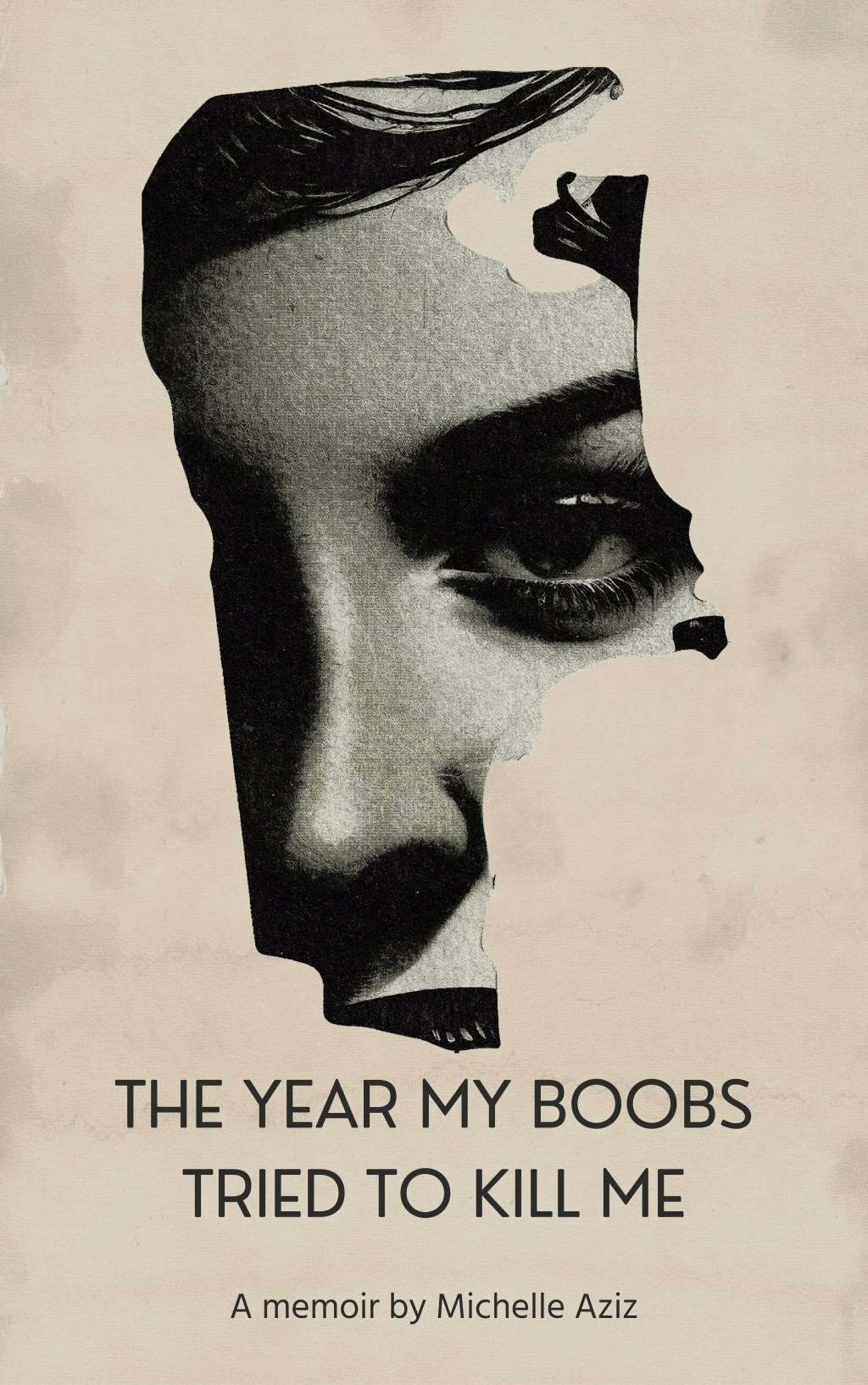
I’m currently writing my memoir, The Year My Boobs Tried to Kill Me.
It’s not just about breast cancer. It’s about womanhood, identity, and the way trauma cracks you open so the light can finally get in. It’s about losing everything you thought you were — and discovering that what remains is enough.
This book is my love letter to every woman who’s sat in a sterile room and heard the words that change everything. It’s for the women who have smiled bravely while quietly breaking inside. It’s for those who feel forgotten once the treatment ends, and the real work — the work of living — begins.
It’s not a story about suffering. It’s a story about survival, surrender, and self-belief.
And more than anything, it’s a story about coming home to yourself.
What I’ve learned
Cancer stripped away everything I used to hide behind — my career, my certainty, my plans. What was left was something I hadn’t met before: me.
Here are a few things I’ve learned in the aftermath:
- Healing is not linear. Some days, I feel strong and clear-headed; other days, grief sneaks up on me for no reason. Both are okay.
- Gratitude doesn’t erase pain. You can be grateful to be alive and still mourn what you’ve lost.
- You don’t need to “bounce back.” There is no going back — there’s only forward, and it looks different for everyone.
- You are your own safe place. Support helps, but true healing begins when you trust yourself again.
- It’s okay to rest. Survival is exhausting. Rest is not laziness; it’s an act of defiance and love.
I’m still learning to let softness coexist with strength. I’m still learning that vulnerability isn’t weakness; it’s courage in its purest form.
The power of storytelling
Writing has always been my way of making sense of life. But after cancer, it became something sacred — a bridge between pain and purpose.
When I write, I’m not trying to inspire anyone. I’m trying to be honest. Because honesty is what heals us — not perfection, not positivity, but the truth told with an open heart.
If my words make someone feel less alone — if they remind another woman that her messy, scared, beautiful self is enough — then I’ve done what I came here to do.
That’s why mazizwriter exists. It’s not just a blog; it’s a space for reflection, connection, and quiet revolution. It’s a reminder that our stories matter — especially the ones that hurt to tell.
Where I am now
These days, my life is quieter, slower, and infinitely more meaningful. I still have scans and check-ups. I still get scared. But I also wake up each morning with a deeper appreciation for the sheer miracle of being here.
I’m focused on living — truly living — not just surviving. I’m learning to say no to things that drain me, and yes to things that light me up. I’m learning that joy isn’t something to earn; it’s something to notice.
I’m also learning to love my body again — the scars, the softness, the new rhythms. This body has carried me through the unthinkable. It deserves love, not criticism.
Most importantly, I’m learning that healing isn’t a destination. It’s a lifelong conversation between the parts of me that hurt and the parts that still hope.
Why I write
I write because words saved me.
When everything else fell apart — when I didn’t recognise my reflection or my life — writing helped me remember who I was. It helped me turn pain into purpose, fear into fuel, and survival into story.
I write for the woman sitting in the waiting room, holding her breath.
I write for the one staring into the mirror, tracing her scars.
I write for the one who’s finished treatment but doesn’t know who she is anymore.
And I write for myself — to remember that I’m still here, still growing, still healing.
If you’re here
If you’ve found your way to mazizwriter, maybe you’re searching for something too — hope, honesty, or just someone who understands.
You’re in the right place.
This space is for the brave, the broken, and everyone in between. It’s for those who want to believe that it’s possible to rebuild — not into who you were before, but into someone softer, wiser, more alive.
If my words speak to you, stay awhile. Read. Reflect. Write your own truth.
Because healing is not a solitary act. It’s a conversation — and I’d love for you to be part of mine.
With love,
Michelle
Writer. Survivor. Work-in-progress.

 healing through words